
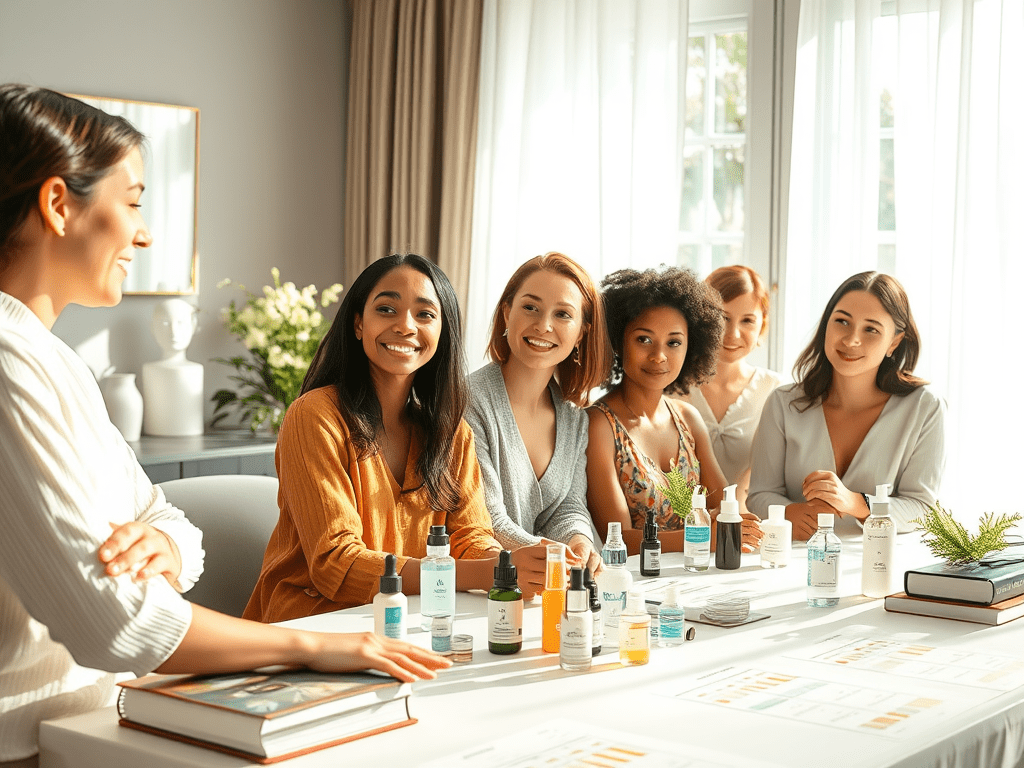
Why Knowing Your Skin Matters
In today’s beauty and wellness landscape, skincare is often seen as a personal indulgence—a routine to pamper ourselves. But when we take a step back and think about it, skincare is so much more than a self-care trend. It’s a vital part of our overall health, and understanding how to properly care for our skin is crucial. This is where skincare education comes into play.
1. Understanding Your Skin Type
Not all skin is created equal. The first step in any effective skincare routine is understanding your unique skin type. Are you oily, dry, combination, or sensitive? Each skin type has its own set of needs, and using products meant for other skin types can cause more harm than good.
For instance, using a heavy moisturizer on oily skin could clog pores, leading to breakouts, while neglecting to moisturize dry skin can exacerbate flakiness and irritation. Skincare education helps individuals recognize their skin’s specific needs and select the right products accordingly. This basic knowledge can save time, money, and frustration by preventing trial-and-error purchases.
2. Preventing Skin Damage and Aging
Skincare education isn’t just about managing breakouts or tackling dry patches—it’s also about prevention. Knowledge of how environmental factors like sun exposure, pollution, and even stress affect the skin can make a huge difference.
For example, many people underestimate the importance of sunscreen. Despite being a well-known product, sunscreen usage is often neglected, especially in colder months. Skincare education teaches that protecting the skin from harmful UV rays can prevent premature aging, sunburn, and even skin cancer.
Additionally, understanding the role of antioxidants and moisturizers in reducing the visible signs of aging can help individuals choose products that support long-term skin health.
3. Identifying Harmful Ingredients
The beauty industry is flooded with skincare products, each promising miraculous results. However, not all skincare ingredients are beneficial or even safe for the skin. Education about skincare ingredients empowers consumers to avoid harmful substances such as parabens, sulfates, and artificial fragrances that can irritate or damage the skin.
By learning to read labels and recognizing key ingredients, you can make more informed decisions about what goes on your skin. For example, products with high alcohol content can dry out the skin, while natural oils like jojoba or argan oil can nourish and hydrate without clogging pores.
4. Mental and Emotional Benefits
Skincare education goes beyond the physical aspects; it’s about fostering a sense of confidence and well-being. Skin is often the first thing people notice, and how we feel about our appearance can significantly impact our mental health.
When individuals understand their skin better, they’re more likely to approach it with patience and care rather than frustration. Skincare can become a mindful, routine ritual rather than an overwhelming or stressful task. This emotional connection fosters a sense of empowerment and self-care, which in turn boosts self-esteem and promotes overall well-being.
5. Building Healthy Long-Term Habits
Education on skincare encourages the development of consistent, healthy habits. Rather than chasing the latest fad or hoping for a miracle product, those who are educated on skincare know the value of consistency. Proper cleansing, hydration, and protection are foundational practices that pay off in the long run.
In addition, understanding the importance of diet, hydration, and sleep for skin health extends the concept of skincare beyond just topical products. Skincare education emphasizes that glowing, healthy skin is a reflection of overall health, not just the products applied.
6. Empowering Personal Choice
A deeper understanding of skincare allows consumers to make empowered decisions about what works best for them. The skincare industry is full of marketing tactics designed to make you feel like you need the latest trending product or miracle solution. However, with proper education, individuals can cut through the noise and choose products based on their unique skin needs, budget, and values.
Moreover, skincare education encourages individuals to seek professional advice when necessary. Dermatologists and skincare specialists can offer personalized recommendations, but a basic understanding of skincare allows people to have more productive conversations about their skin health.
Conclusion
Skincare education is not just about knowing which cream to apply or which serum to use. It’s about understanding your skin, recognizing how it reacts to different elements, and taking steps to care for it in the most effective and sustainable way possible. Whether you’re just starting your skincare journey or looking to deepen your knowledge, learning about skincare equips you with the tools to make better decisions, prevent damage, and feel more confident in your skin.
By empowering yourself with knowledge, you’re not only investing in the health and appearance of your skin but also fostering a deeper sense of self-awareness and care. So, the next time you reach for a product, remember that education is your greatest tool in achieving healthier, glowing skin—now and in the future.
 Selfish X Ariel
Leave a comment